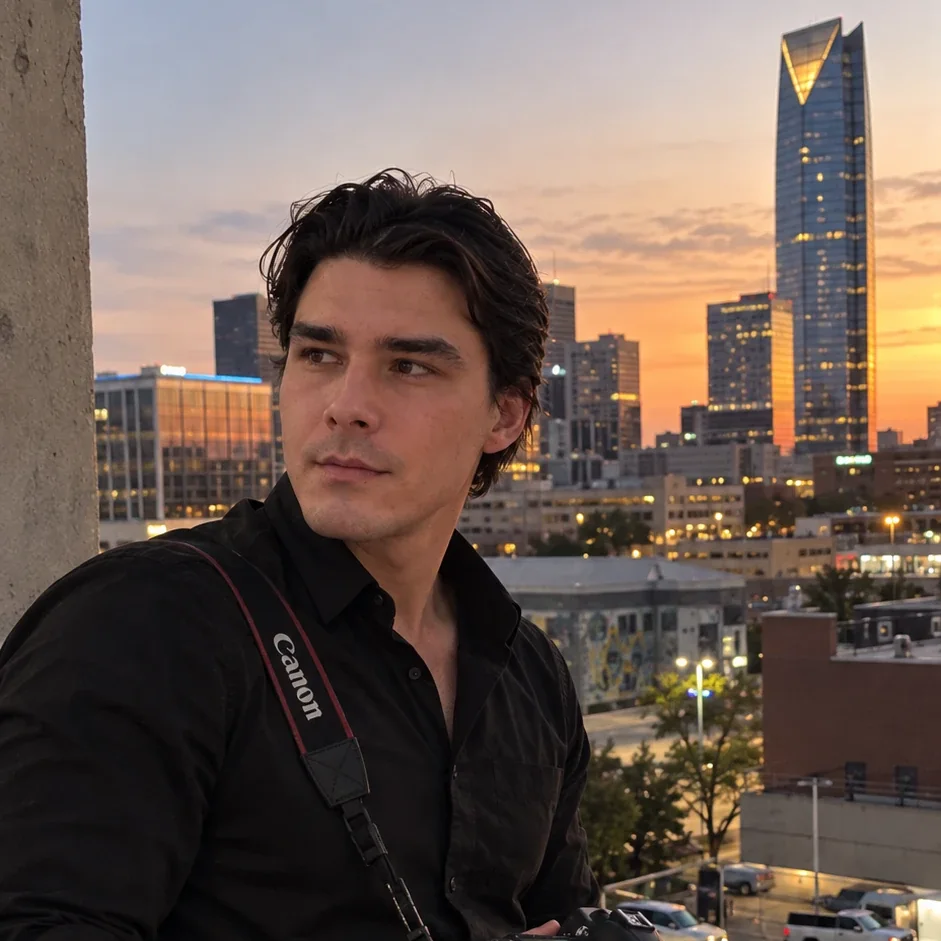
Who is responsible for the work?
Daniel Fuller is. Fuller Investigations is the private investigation practice of Daniel Fuller, who owns it and does every part of the work, from the first call to the written report.
There is no team. The person you speak to at the free consultation is the person who plans the work, carries it out and writes the report.
The practice is based in Oklahoma City, with no public office, and takes matters anywhere in Oklahoma by travel. Daniel takes sixteen kinds of matter in five practice areas. Calls and texts are answered 24/7.
Which licenses does Fuller Investigations hold?
Three. Oklahoma licenses the practice, the investigator and the serving of court papers separately, and each of those licenses is held.
| License | Held by | Issued by |
|---|---|---|
| Investigative agency license | Fuller Investigations, in that name | CLEET, the Oklahoma agency that licenses private investigators |
| Private investigator license | Daniel Fuller | CLEET |
| Private process server license | Daniel Fuller | The Oklahoma courts, through a presiding judge |
CLEET is the Council on Law Enforcement Education and Training. Holding its license does not make an investigator law enforcement.
Oklahoma requires private investigators and investigative agencies to be licensed by CLEET before they operate. 59 O.S. § 1750.4(A)
A self-employed private investigator must also hold an investigative agency license. 59 O.S. § 1750.5(G)
Daniel is self-employed, so Fuller Investigations holds an agency license in its own name as well as the license Daniel holds personally.
Private process servers in Oklahoma are licensed by the presiding judge of a judicial administrative district, and the license is valid statewide. 12 O.S. § 158.1
Daniel serves court papers anywhere in Oklahoma under that license. Process serving has a page of its own.
How can you see the licenses?
Ask. You can ask about the licenses on the first call and ask to see them at the consultation, before you sign anything or pay anything.
Oklahoma law requires a private investigator to carry the CLEET-issued identification card while on duty (59 O.S. § 1750.9(A)). A private process server must carry the court-issued license while on duty too (12 O.S. § 158.1).
Check that the names match when you look: Fuller Investigations on the agency license, and Daniel Fuller on the other two.
Is a private investigator a police officer?
No. A license from the state is not a government post. Daniel is a private investigator who works for the client who signs the agreement: a person, a business, an insurer or an attorney.
A private investigator may not suggest any connection with a government or law enforcement. 59 O.S. § 1750.9(B)
That is why this site shows no badge, shield or seal.
CLEET's rules let a licensee use the phrase "Licensed by the State of Oklahoma" on stationery, on business cards and in advertisements. OAC 390:35-5-12
That phrase is the one this site uses.
Nothing on this site is legal advice. Ask your attorney how the law applies to your situation.
What standards is every matter worked to?
Five, and they are the same for every client and every kind of matter.
- Licensed
- Fuller Investigations and Daniel Fuller are licensed by CLEET, and Daniel is licensed by the courts to serve process.
- Confidential
- Oklahoma law bars a licensed private investigator from disclosing information learned on a case except as the client directs or the law requires (59 O.S. § 1750.8(B)). Fuller Investigations also does not confirm to anyone whether a person is or was a client.
- In writing
- A written agreement and a retainer are in place before any work begins. The first consultation is free and commits you to nothing.
- Documented
- You receive a written report of what was done and what was found, with photographs, video and time-stamped logs where the work involved field observation. Oklahoma law bars a licensed private investigator from willfully making a false report to a client (59 O.S. § 1750.8(B)).
- Testimony
- Daniel is available to testify about the work performed when a matter goes to court. How a report is used in court is a question for your attorney.
How it works follows those standards through the five steps of a matter, from the free consultation to the written report.